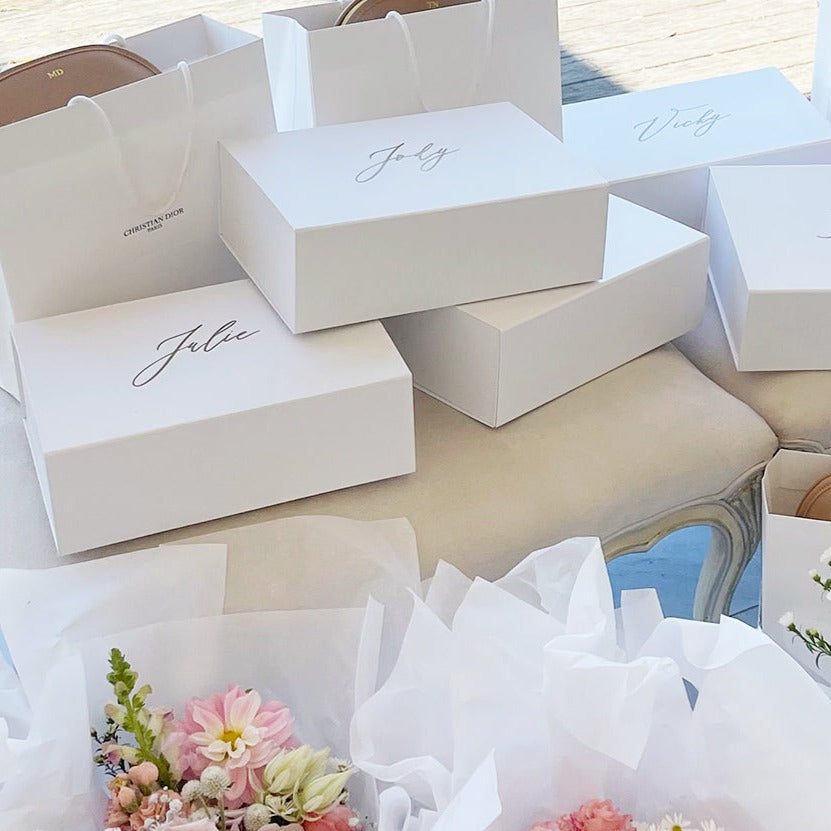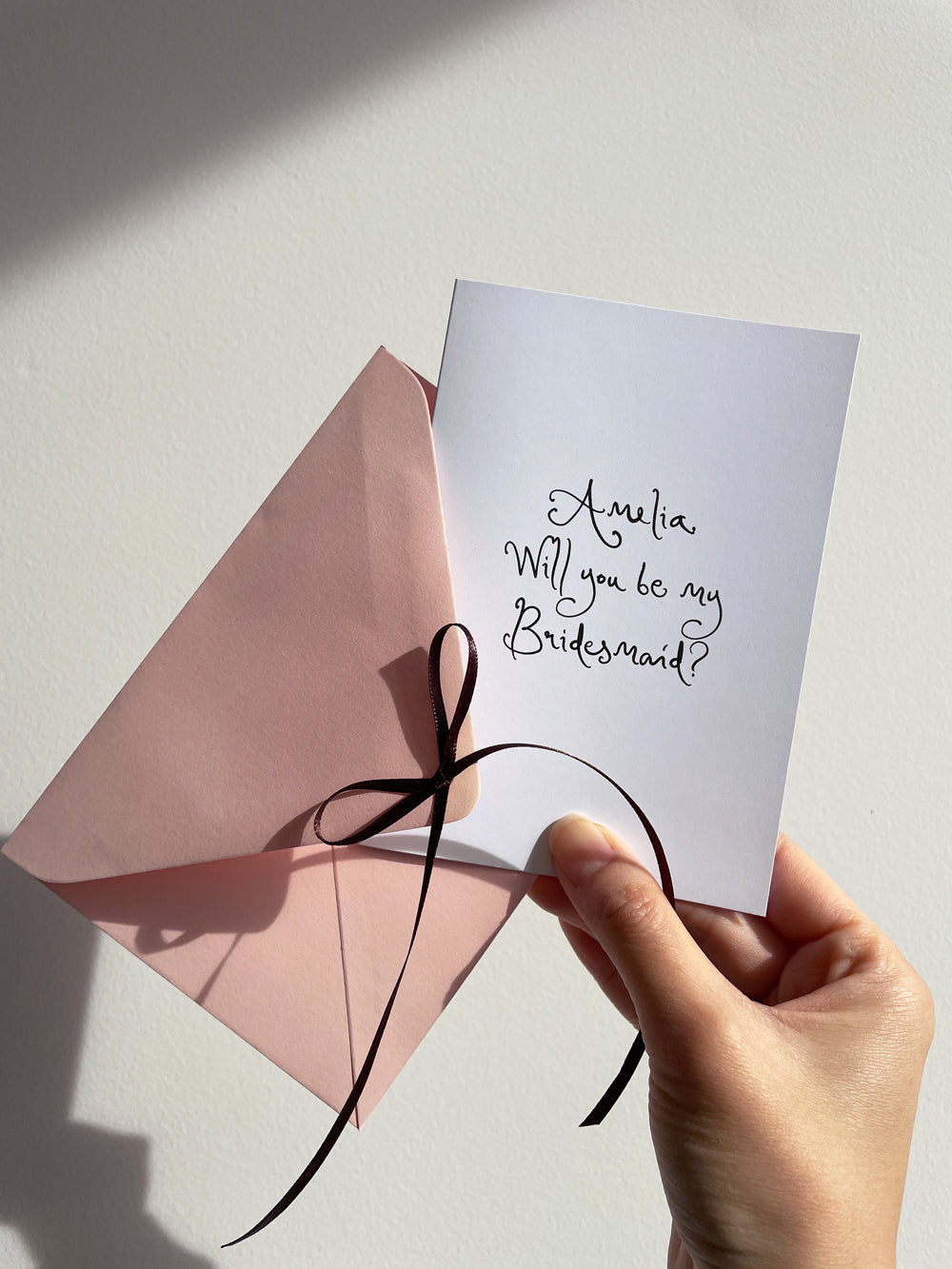


A bridal shower is a daytime pre-wedding celebration where the bride's closest friends and family gather to celebrate her upcoming marriage with gifts, well wishes, games, and meaningful conversations. Traditionally organised by the maid of honour, bridesmaids, or close relatives, bridal showers are usually held 4 to 6 weeks before the wedding and provide an opportunity for loved ones to honour and support the bride before married life begins.
In Australia, bridal showers are often associated with the traditional Kitchen Tea, a long-standing pre-wedding celebration where family and friends gather to celebrate the bride with gifts and refreshments. While Kitchen Teas traditionally focused on practical household gifts, modern Australian couples increasingly choose either a bridal shower, a Kitchen Tea, or a celebration that combines elements of both to suit their preferences, guest list, and wedding style.
The bridal shower tradition is widely believed to have originated in 16th-century Holland, where friends and members of the local community presented gifts to help couples whose marriages could not proceed because a dowry could not be provided. Over time, the custom spread internationally and evolved into the modern celebration, which continues to focus on bringing loved ones together to celebrate the bride and create lasting memories before the wedding day.
How Did the Bridal Shower Tradition Begin?
The bridal shower tradition began as a practical 16th-century European custom, specifically in Holland and Belgium, designed to bypass the strict dowry system when a bride's family was too poor or refused to pay for her marriage. Friends and community members gathered to present household goods, money, and gifts. Their support helped the couple establish a home and allowed the marriage to proceed without the expected dowry.
Over time, this gathering developed into a pre-wedding celebration. By the 19th century, the custom had spread through Europe and North America, where guests continued to honour the bride with gifts and advice. Modern bridal showers still reflect that purpose: friends and family gather to celebrate the forthcoming marriage, support the bride, and provide items that may help the couple begin married life.
What Does a Bridal Shower Celebrate?
A bridal shower celebrates the bride-to-be, her upcoming marriage, and the transition into married life by gathering close friends and family to "shower" her with gifts, love, and good wishes. The celebration gives family members, friends, and the bridal party time to honour the bride, share advice, and strengthen personal bonds before the wedding. This intimate gathering also creates a supportive community around the bride as she prepares for married life.
The practical purpose centres on gift-giving, with guests often presenting household items, personal gifts, or contributions suited to the couple’s needs. A bridal shower differs from a bachelorette party because its focus is community support, meaningful conversation, and shower gifts rather than nightlife or adult entertainment. Both events celebrate the bride, but each occasion serves a distinct social purpose.
What Is the Etiquette for Bridal Shower Gifts?
Bridal shower gift etiquette requires bringing a physical present, choosing items from the couple’s registry, and treating the shower gift as entirely separate from your wedding present. Guests spend between AUD 50 and AUD 100 depending on how close they are to the bride. Group gifting is also common for higher-priced registry items because it allows several guests to contribute while helping the couple receive practical gifts they genuinely need. Bringing the gift to the bridal shower is traditional, although shipping it directly to the couple is acceptable for convenience or travel.
Include a heartfelt card with your gift to share congratulations and good wishes. If you cannot attend the bridal shower, sending a gift remains a thoughtful gesture, although it is not considered a strict obligation. Following these customs helps celebrate the bride, supports the couple as they prepare for marriage, and reflects accepted bridal shower etiquette.
Who Should Be Invited to a Bridal Shower?
Close female friends, family members, and the bridal party are traditionally invited to a bridal shower because the event is intended to celebrate the bride with the people who know her best. Modern bridal showers may also include the groom’s relatives, close work colleagues, and family friends when appropriate. If the event is planned as a co-ed or wedding shower, both partners' friends and family can be included. Children and plus-ones are usually invited only if the host specifically includes them on the invitation.
Every person invited to the bridal shower should also receive an invitation to the wedding, as inviting someone only to the gift-giving event is considered poor shower etiquette. Casual acquaintances, distant contacts, or people excluded from the wedding guest list are typically not invited because the celebration is intended for those sharing the couple’s wedding journey.
When and Where Is a Bridal Shower Usually Held?
A bridal shower is usually held 4 to 6 weeks before the wedding, giving the bride enough time to enjoy the celebration without conflicting with final wedding preparations. This timing also allows guests to attend comfortably before other pre-wedding events begin. For destination weddings or when many guests are travelling, the bridal shower may be scheduled earlier to accommodate travel plans and increase attendance.
Common bridal shower venues include a private home, restaurant, hotel, garden, rented event venue, or destination location, depending on the guest list and budget. Smaller gatherings often suit homes or cafés, while larger celebrations may require dedicated event spaces. Selecting the right venue should balance travel convenience, overall costs, and the proximity of the wedding date so guests can participate without unnecessary scheduling conflicts.
What Are Common Bridal Shower Themes and Activities?

Popular bridal shower themes include garden parties, brunch parties, spa days, travel-themed showers, and seasonal celebrations, each shaping the décor, food, and atmosphere to match the bride's style and the occasion. Common bridal shower activities include Bridal Bingo, How Well Do You Know the Bride?, Ring Hunt, Bridal Shower Advice Cards, wedding-themed trivia, and gift opening, giving guests opportunities to interact, celebrate the bride, and create lasting memories together.
Popular Bridal Shower Themes:
- Garden Party: An outdoor celebration featuring floral decorations, fresh food, and a relaxed atmosphere. This theme works well in spring or summer gardens, parks, or backyards, creating an elegant setting for afternoon tea, brunch, or light refreshments.
- Brunch Party: A morning or midday gathering with pastries, fresh fruit, coffee, tea, and sparkling drinks. Soft décor, fresh flowers, and a casual yet refined menu make it a popular choice for intimate celebrations with family and close friends.
- Spa Day: Guests enjoy beauty treatments, skincare sessions, relaxing activities, and light refreshments in a calm, wellness-focused setting. It creates a comfortable environment for conversation and quality time with the bride.
- Travel-Themed Shower: Decorations, invitations, and games reflect favourite destinations or the couple's honeymoon plans. Vintage suitcases, maps, postcards, and destination-inspired food or drinks add a personalised touch while celebrating the couple's next journey together.
- Seasonal Theme: Decorations, colours, flowers, and menus reflect the time of year, such as spring blooms, summer citrus, autumn leaves, or winter greenery. Seasonal themes make planning easier by naturally matching the weather, venue, and available décor.
Common Bridal Shower Activities:
- Bridal Bingo
- How Well Do You Know the Bride?
- Ring Hunt
- Bridal Shower Advice Cards
- Wedding-themed trivia
- Gift opening with guests sharing stories or well wishes
Who Hosts and Pays for a Bridal Shower?
Traditionally, the maid of honour and bridesmaids host the bridal shower as a way to celebrate the bride before her wedding. Today, bridal showers may also be hosted by the bride's mother, future mother-in-law, sister, aunt, close friend, or several people together. Co-hosting has become increasingly common because it allows planning responsibilities and expenses to be shared among family members and friends.
The host is generally responsible for organising and paying for the bridal shower, including the venue, food, drinks, decorations, games, and other event expenses. Depending on the venue, guest count, catering, and style of celebration, hosts commonly spend between AUD 15 and AUD 100 per guest, with total party costs often ranging from AUD 500 to AUD 2,500. When several people co-host the event, expenses are typically divided according to an agreed budget, making the celebration more manageable for everyone involved.
Can the Bride Host Her Own Bridal Shower?
Traditionally, a bride does not host her own bridal shower because the event centres on guests gathering to celebrate her with gifts and well wishes, and having someone else host avoids the appearance of organising a gift-giving event for herself.
Modern etiquette is more flexible. When there is no bridal party, the couple is planning a destination wedding or elopement, or no one else is available to host, the bride may take a more active role in organising the celebration. In these situations, it is still common for a close friend or family member to act as the official host by sending invitations, welcoming guests, or overseeing the event so it retains its traditional spirit of hospitality.
What Should Guests Wear to a Bridal Shower?
Guests should wear smart casual to semi-formal attire, with the venue, theme, and time of day guiding the dress code. A home bridal shower usually calls for comfortable dresses, skirts, or neat separates, while a restaurant celebration may suit cocktail dresses, dress pants, or blouses. Outdoor garden parties often require light fabrics and practical footwear, whereas themed bridal showers encourage guests to match the chosen style. The invitation usually indicates the expected dress code, and if it is unclear, asking the host is the best approach.
What Should Guests Avoid Wearing to a Bridal Shower?
Avoid wearing all-white outfits, as white is traditionally reserved for the bride. Overly casual clothing, such as ripped jeans or gym wear, may seem inappropriate, while excessively formal or revealing outfits can feel out of place and distract from the celebration.
Guests should avoid wearing the following outfits to a bridal shower:
- All-white outfits: White is traditionally reserved for the bride and may draw attention away from her.
- Overly casual clothing: Items such as ripped jeans, gym wear, or flip-flops can appear too informal for the occasion.
- Excessively formal attire: Ball gowns or black-tie clothing may feel out of place unless the invitation specifically requests formal dress.
- Revealing or distracting outfits: Clothing that is excessively revealing or flashy can shift attention from the celebration and make the event feel less appropriate.
How Do You Plan a Bridal Shower?
Planning a bridal shower starts with setting a budget, choosing a suitable date and venue, selecting a theme that reflects the bride's personality, and sending invitations 4 to 6 weeks before the event. Once the basics are in place, organise the remaining details to create a well-coordinated celebration that is enjoyable for both the bride and her guests.
Plan the bridal shower by following these steps:
- Set a realistic budget.
- Choose the date and venue.
- Select a bridal shower theme.
- Send invitations 4 to 6 weeks in advance.
- Plan food, drinks, games, and decorations.
- Confirm the guest list and RSVPs.
- Finalise day-of logistics and event schedule.
How Do You Choose a Bridal Shower Theme?
Choose a bridal shower theme that reflects the bride's personality, interests, and preferred celebration style while also considering the season, venue, guest list, and available budget. A well-chosen theme creates a consistent look and makes it easier to plan invitations, decorations, food, drinks, games, and party stationery without unnecessary expense or last-minute changes.
When choosing a bridal shower theme, consider:
- The bride's personality, hobbies, and favourite colours.
- The season and suitability of the venue.
- The available budget and number of guests.
- Whether the event is formal, casual, or themed.
- How the theme will coordinate with invitations, décor, food, drinks, and activities.
What Should a Bridal Shower Welcome Sign Say?
A bridal shower welcome sign should clearly welcome guests while introducing the celebration. It typically includes the bride's name, the event title, the date, and a short greeting. Keeping the wording on the bridal shower welcome sign simple, readable, and personalised helps guests identify the venue, complements the event theme, and creates a warm first impression as they arrive.
Common wording includes:
- "Welcome to Sarah's Bridal Shower"
- "Let's Celebrate Emily, Bride-to-Be!"
- "Welcome to Jessica's Bridal Shower • 15 June 2027"
- "Welcome! We're So Glad You're Here to Celebrate Olivia"
What Should Bridal Shower Advice Cards Say?
Bridal shower advice cards invite guests to share marriage advice, well wishes, and heartfelt messages for the bride to keep as a meaningful keepsake. They usually include simple prompts that encourage guests to write thoughtful, personal responses. Fill-in-the-blank bridal shower advice cards are ideal for larger groups, while open-ended cards allow guests to share longer memories and personalised advice.
Common prompts include:
- "My best marriage advice is…"
- "Always remember to…"
- "The secret to a happy marriage is…"
- "Never forget to…"
- "My wish for your future together is…"
What Should Bridal Shower Game Cards Include?
Bridal shower game cards should include simple instructions, answer spaces, or checklists that make activities easy to follow. Popular bridal shower game cards include Bridal Bingo, where guests mark gifts as they are opened, and How Well Do You Know the Bride? with questions about the bride, Advice Mad Libs with fill-in-the-blank prompts, Ring Hunt with a brief game objective, and Wedding Trivia featuring questions about the couple. These games are suitable for both small and large bridal shower gatherings.
Popular bridal shower game cards include:
- Bridal Bingo: Guests mark gifts on their cards as the bride opens presents.
- How Well Do You Know the Bride?: Cards feature questions about the bride's personality, favourites, and relationship.
- Advice Mad Libs: Fill-in-the-blank prompts create humorous or heartfelt marriage advice.
- Ring Hunt: Cards explain the objective of finding or collecting hidden rings during the event.
- Wedding Trivia: Cards include multiple-choice or short-answer questions about the couple and weddings.
- Would She Rather?: Guests guess the bride's preferences by choosing between two fun options on the card.
What Food and Drinks Should You Serve at a Bridal Shower?
Serve light, easy-to-eat finger foods, grazing platters, and refreshing brunch items such as mini quiches, charcuterie boards, fresh fruit, pastries, sandwiches, and mimosas at a bridal shower. Afternoon tea celebrations pair well with scones and cakes, while lunch or cocktail-style events can feature canapés and small plates. Include vegetarian, vegan, or gluten-free options when needed, offer a signature drink if appropriate, and finish with a celebration cake or dessert that suits the guest count and budget.
When Should You Send Bridal Shower Invitations?
Send bridal shower invitations 4 to 6 weeks before the event to give guests enough time to RSVP and plan. Destination bridal showers or celebrations with travelling guests should be announced earlier. Whether using digital or printed bridal shower invitations, include the date, time, venue, RSVP deadline, registry details, and any theme or dress code so guests have all the information they need before the celebration.
What Are Helpful Tips for Planning a Bridal Shower?
Share responsibilities with family or friends to make planning more manageable, confirm the guest list early to finalise arrangements, and have a contingency plan for outdoor events in case of bad weather. Schedule the bridal shower around other pre-wedding celebrations to avoid conflicts, and build extra time into the event for guest arrivals, gift opening, photographs, and activities so the day feels relaxed and well organised.
Tips for planning a bridal shower:
- Delegate responsibilities: Share tasks such as decorating, food preparation, and guest coordination to reduce stress.
- Confirm the guest count early: Final numbers help with seating, catering, and party supplies.
- Prepare a backup plan: Have an indoor alternative for outdoor bridal showers in case of bad weather.
- Coordinate with other wedding events: Schedule the bridal shower so it does not conflict with the engagement party, hens party, or wedding preparations.
- Allow extra time on the day: Build flexibility into the schedule for late arrivals, gift opening, and photographs without rushing the celebration.
Is a Bridal Shower the Same as a Wedding Shower?
No, a bridal shower and a wedding shower are not exactly the same because a bridal shower celebrates the bride, while a wedding shower celebrates both partners together. A wedding shower is generally the gender-inclusive or co-ed version of a bridal shower, bringing together friends and family from both sides. Traditional bridal showers focus primarily on the bride and her close family and friends. Although gift expectations are similar for both events, the main differences are the guest list, who is being celebrated, and the overall event format.
Is a Bridal Shower the Same as a Bachelorette or Hens Party?
No, a bridal shower focuses on gift-giving and celebrating the bride with family and friends, while a bachelorette or hens party is centred on social entertainment with close friends. A bachelorette party, known as a hens party in Australia, is typically a more informal celebration that often includes nightlife or group activities. Although many guests attend both events, the bridal shower is usually held earlier before the wedding and has a more relaxed, family-friendly atmosphere.